Invisible for urgent searches
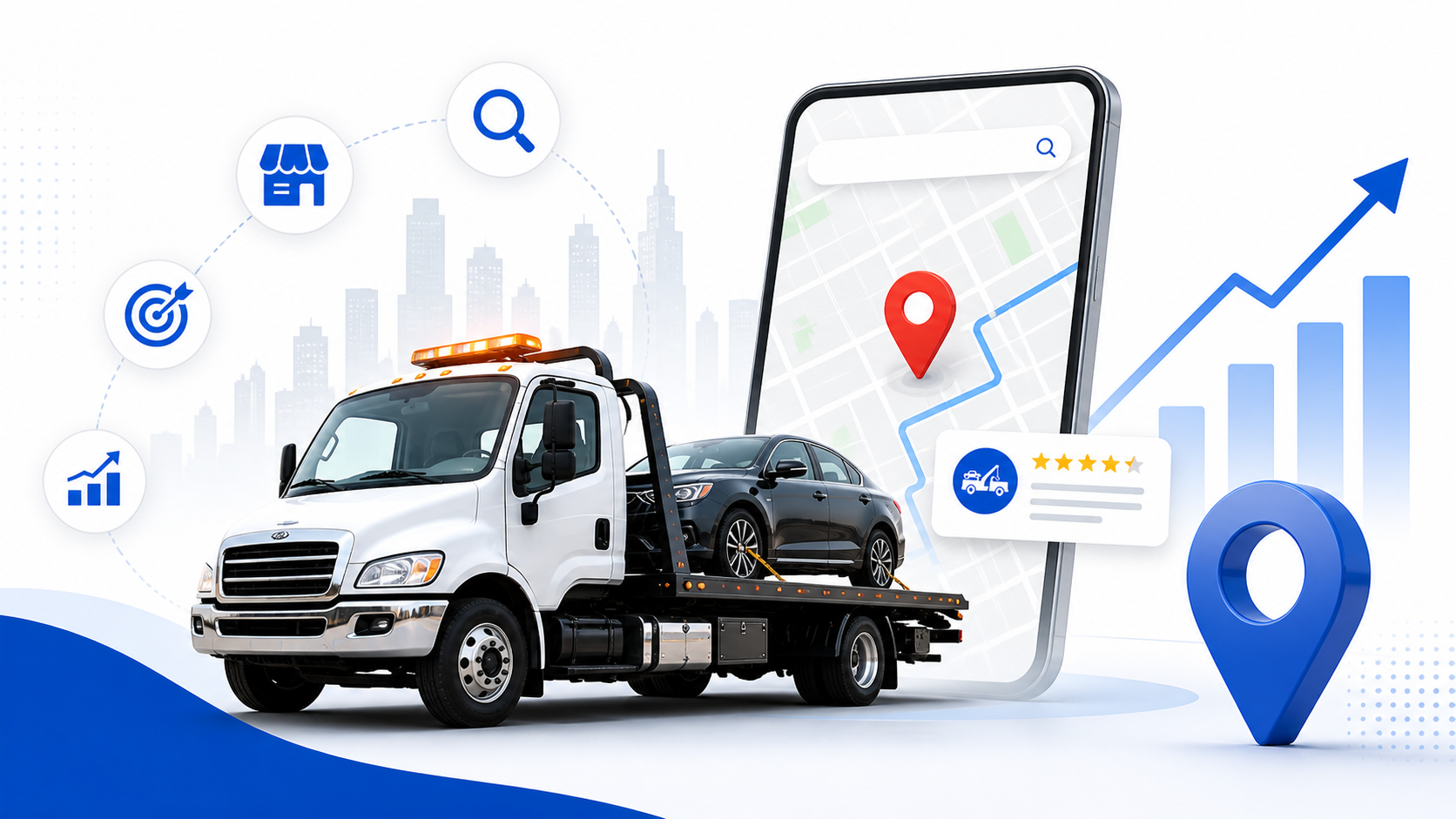
When a driver types "tow truck near me," Google shows a tiny group of trusted local results. If your business is not in that set, the call goes elsewhere before your site is even seen.

Local SEO for tow truck companies, emergency towing services, and roadside assistance businesses.
Zonic Media helps tow truck companies and roadside assistance businesses improve Google Maps rankings, strengthen service area visibility, and generate more high-intent phone calls from people who need help right now.
If your company is not showing up when drivers search for tow truck near me, emergency towing service, roadside assistance, or 24 hour towing, those jobs are being handed to competitors. Our towing SEO approach is designed around fast-moving local intent, mobile-first search behavior, and the signals that help more customers call instead of scrolling past your business.
Why Towing Companies Lose Calls
Search behavior in towing is unforgiving. Drivers are usually on the side of the road, on a deadline, or dealing with a stressful situation. They search, compare quickly, and call the result that looks closest, most available, and most credible.
When a driver types "tow truck near me," Google shows a tiny group of trusted local results. If your business is not in that set, the call goes elsewhere before your site is even seen.
Many towing companies have incomplete or inconsistent Google Business Profile signals, so they miss nearby searchers who are ready to call from the map pack immediately.
Towing decisions happen fast. Slow mobile pages, weak call prompts, and unclear service areas reduce phone conversions during the moments that matter most.
Third-party lead sources often send shared prospects, thin margins, and price shoppers. That keeps your business renting visibility instead of owning demand in your city.
Without strong local SEO, towing demand can feel unpredictable. Rankings shift, branded search stays weak, and dispatch teams never get a reliable flow of qualified jobs.
If your location pages and city signals are thin, Google has less confidence in where your towing company should rank, which limits visibility across nearby markets.
Customer Search Behavior
That compressed search journey is exactly why towing SEO needs a different strategy than normal local business SEO. The goal is not just traffic. The goal is to make the next call land with your dispatch team.
Drivers usually search from a phone after a breakdown, flat tire, accident, lockout, or dead battery. The query is direct and high intent, not informational.
They scan the map, service labels, reviews, distance, hours, and whether you clearly handle the exact towing problem they have right now.
The winner is typically the result that looks nearby, available, relevant, and easy to call. That is why local SEO for towing is tightly connected to revenue.
High-Intent Keywords
Keyword strategy for towing should stay close to immediate service demand. The priority is not high-volume traffic for its own sake. It is coverage of the phrases that signal immediate need, local urgency, and a strong likelihood of a phone call.
The most competitive emergency phrase and often the fastest path to direct phone leads.
Essential for late-night, highway, and after-hours searches when urgency is highest.
Captures jump starts, lockouts, fuel delivery, and battery-related service opportunities.
Signals around-the-clock response and helps convert callers who need immediate reassurance.
Important for higher-value jobs where equipment type affects customer choice.
Core Services
Every part of the service stack is aimed at stronger local visibility and cleaner conversion paths. That means better positioning in Maps, better coverage of emergency service terms, and a website that supports faster action from mobile visitors.
We refine categories, services, descriptions, photos, service areas, hours, review signals, and posting cadence so your towing business sends stronger local relevance to Google Maps.
We build pages and on-page signals around the urgent phrases that generate towing calls, from roadside assistance to accident recovery and 24 hour dispatch searches.
We structure your site around core cities, neighborhoods, highways, and service zones so nearby customers can find the right towing solution in the right place.
We improve mobile layouts, trust sections, click-to-call visibility, CTA placement, and content clarity so more visitors turn into real inbound calls.
We help strengthen review quality, recency, and topical relevance so your company looks more dependable when searchers compare results in a hurry.
We align pages, calls to action, proof, and local trust cues to improve lead quality, increase booking confidence, and reduce lost opportunities from organic traffic.
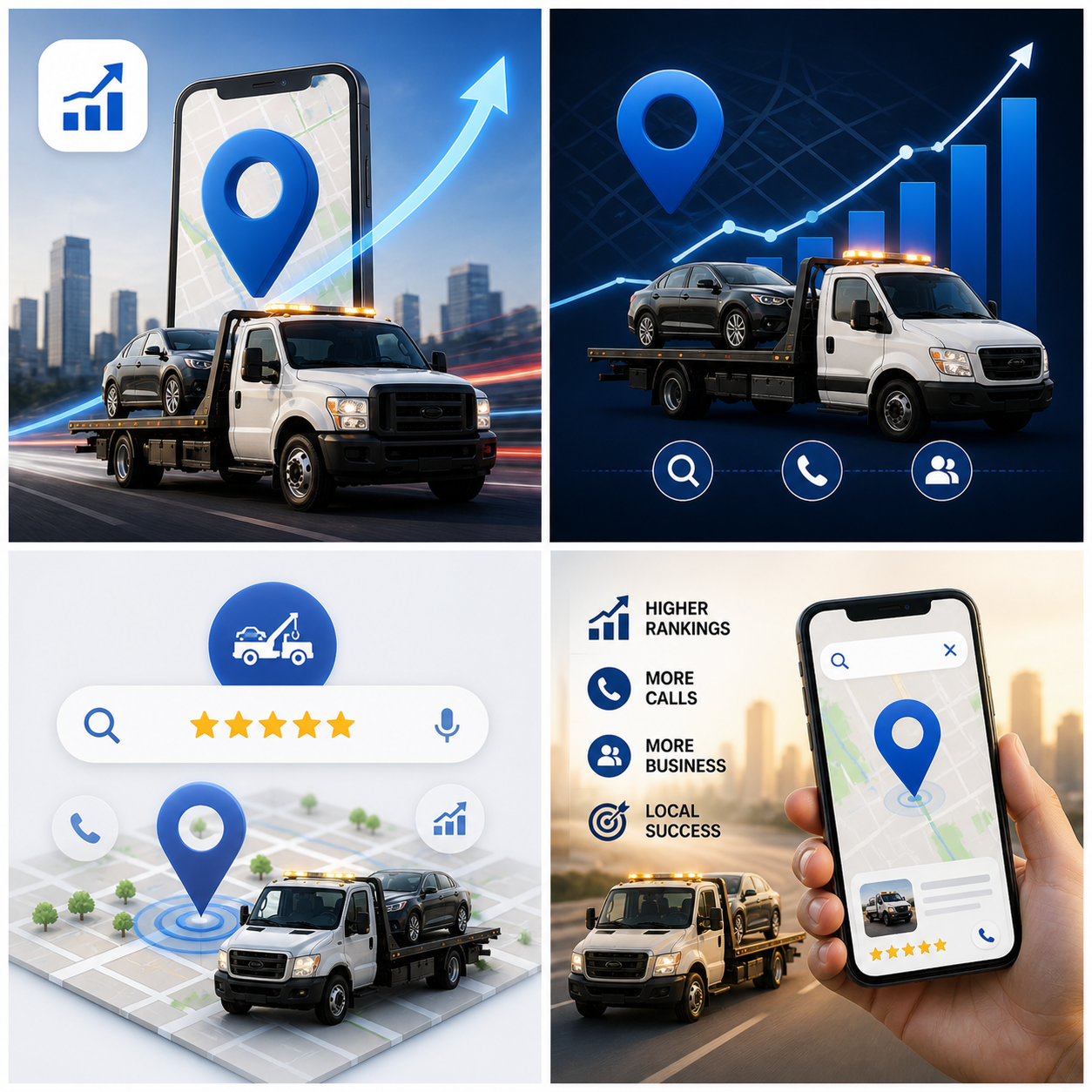
We align Google Business Profile optimization, location pages, review signals, and conversion-focused site content so your towing business can compete for emergency jobs with more consistency. The goal is a stronger local presence that helps nearby drivers trust your company faster.
Google Maps Domination
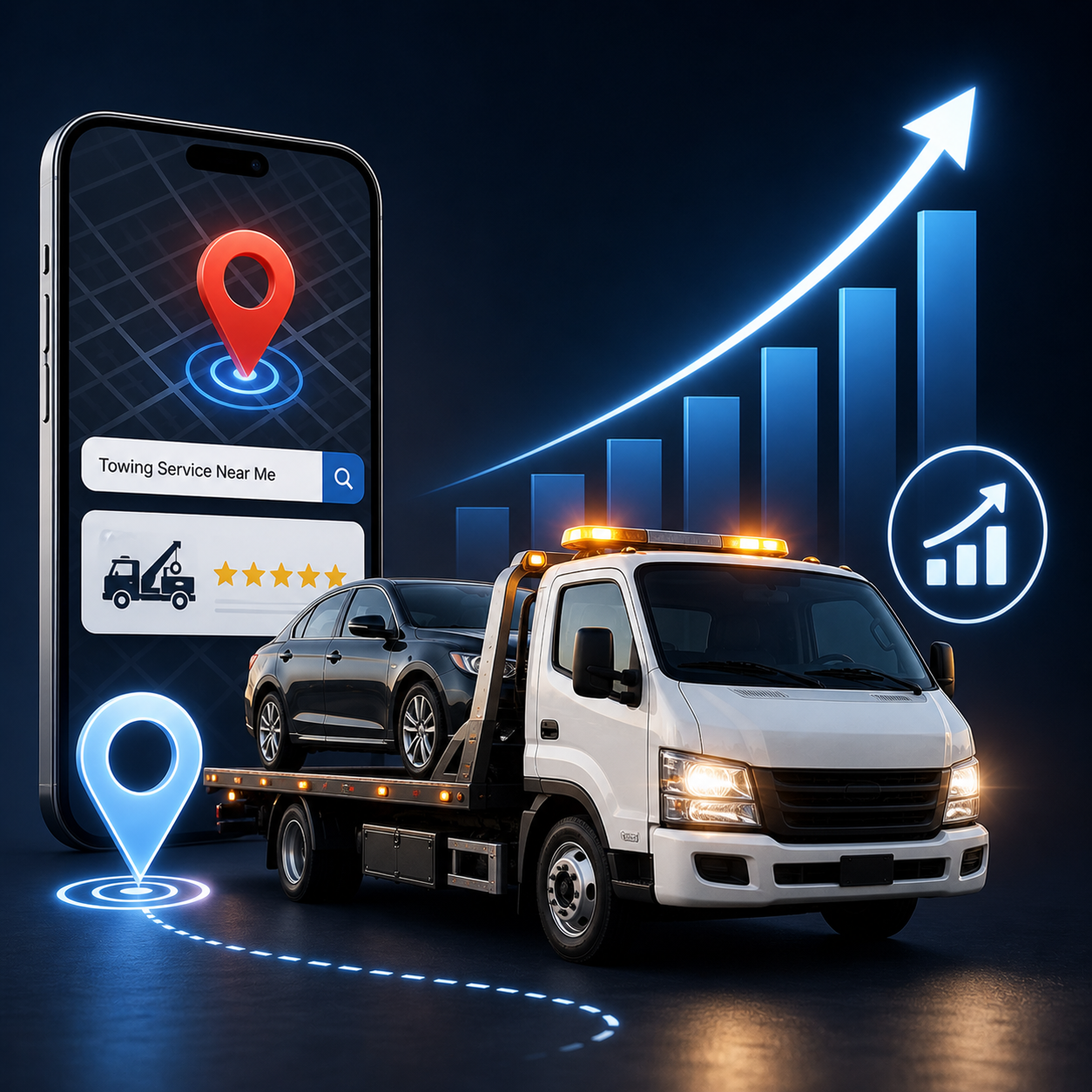
Google Maps often becomes the first screen that matters. Drivers searching for a tow truck usually see a small set of local options, compare distance and review strength, and place a call without ever visiting several websites. If your business is not visible there, your best demand is leaking out at the exact moment it should convert.
Our work focuses on the ranking signals that help towing brands compete in local pack results: profile relevance, service-area clarity, supporting website authority, review quality, mobile user experience, and content that reinforces what your team does and where you do it. That combination gives nearby customers more reasons to trust your listing and call sooner.
Why Choose Zonic Media
The towing industry is fast, local, and highly transactional. SEO has to reflect that. We focus on the signals that support urgent discovery, trust, and conversion so your online visibility is more useful to the business, not just nicer in a report.
Towing SEO should not chase vanity traffic. It should produce better inbound calls, better local visibility, and better job volume from the areas you actually serve.
We prioritize map rankings, service-area coverage, mobile intent, and emergency search behavior instead of bloated blog plans that do not move dispatch volume.
Tow truck customers do not browse casually. We structure content so it answers location, availability, trust, and service fit in seconds.
Owning rankings for towing searches compounds over time. Every improvement in Maps, local landing pages, and review authority supports future calls.
Towing Industry Insight
Traditional local businesses often sell through consideration, repeat visits, or slower research. Towing companies usually do not. Searchers are under pressure, on a phone, in a vehicle problem, and trying to make a choice in under a minute. That means the right SEO strategy has to combine local relevance, immediate clarity, and strong conversion cues on every important page.
Most towing buyers are not researching for next month. They are stuck now, and they need a credible solution immediately.
Light-duty towing, flatbed service, roadside assistance, accident recovery, and lockouts should be obvious at a glance.
If your mobile page is cluttered, slow, or hard to call from, rankings alone will not save the lead.
For towing companies, local pack visibility is often the difference between a quiet phone and a steady dispatch schedule.
Our Process
The process is structured to improve visibility first, then reinforce trust and conversion. That keeps the work tied to dispatch outcomes instead of generic traffic reporting.
We review your Google Business Profile, rankings, service-area coverage, competitors, mobile call flow, and current local search gaps.
Case Study Example
Consider a regional towing company serving multiple nearby suburbs with a solid dispatch operation but weak search performance. Their Google Business Profile was active, but the website lacked clear service-area pages, emergency keyword targeting, and mobile call prompts. Reviews existed, yet the profile and site did not reinforce each other well enough to win local pack consistency.
After tightening local service messaging, expanding location coverage, improving on-page call paths, and strengthening Google Business Profile relevance, the business began showing up more often for urgent towing terms. The result was not just more traffic. It was more direct calls, a stronger share of map exposure, and more dependable towing jobs from the areas that mattered most.
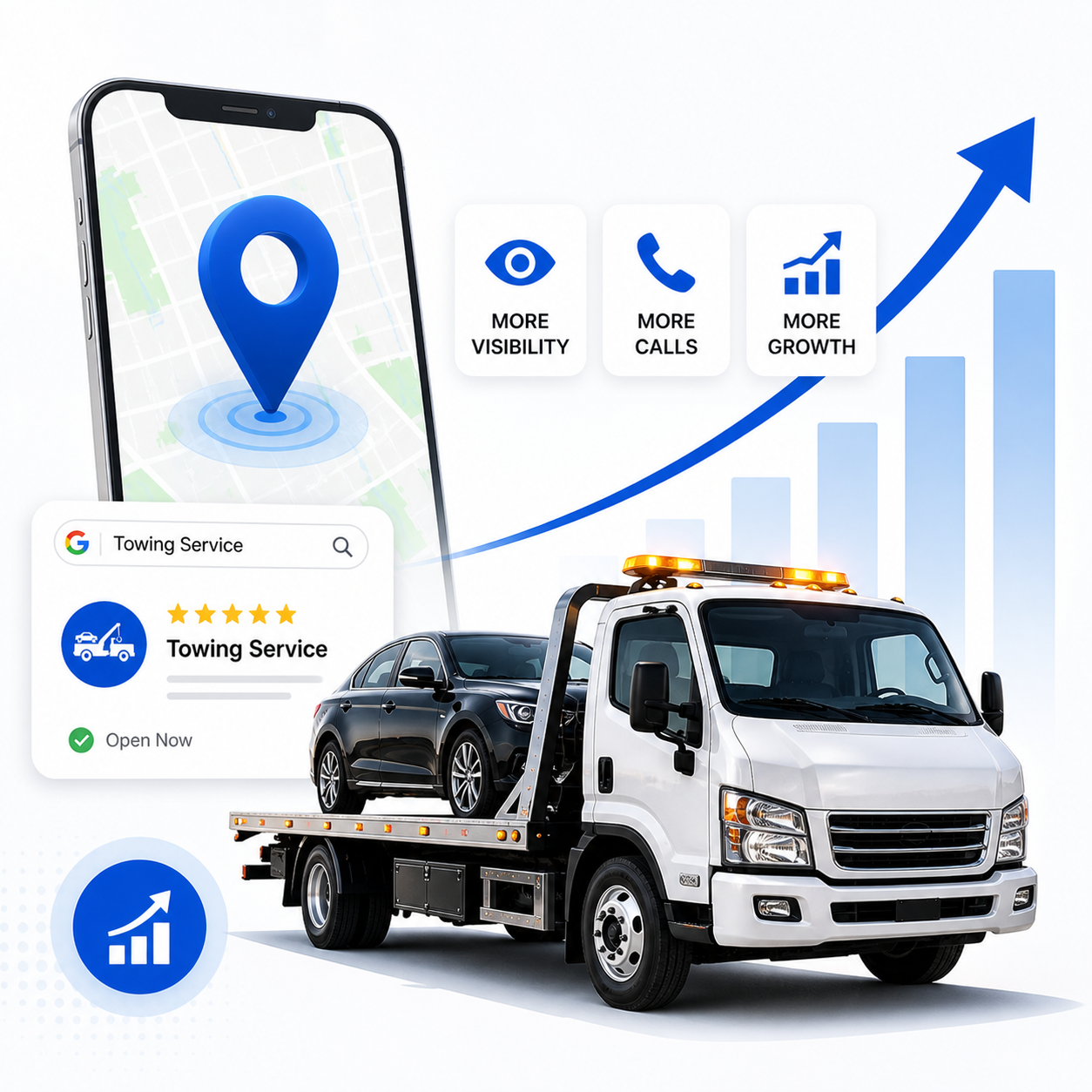
Limited location targeting, underused Google Business Profile content, and poor mobile conversion flow left valuable demand on the table.
Better map relevance, broader service-area visibility, and cleaner website conversion signals created a more stable inbound pipeline.
More direct call activity from nearby drivers searching with urgent towing intent.
Broader local pack coverage across the core phrases that drive emergency job demand.
Better local relevance for surrounding towns, neighborhoods, and coverage zones.
A steadier stream of inbound opportunities that fit real dispatch capacity.
SEO vs Lead Platforms
Many towing businesses rely heavily on lead marketplaces because they can produce jobs quickly. The problem is that those leads are often shared, expensive, and easy to lose on price. SEO gives your company a stronger long-term position by helping customers find you directly through Google Search and Maps.
| Factor | Lead Platforms | Local SEO |
|---|---|---|
| Lead ownership | Shared leads and directory dependence | Direct calls through your own branded presence |
| Cost profile | High recurring spend and margin pressure | Compounding value from local visibility and content assets |
| Conversion quality | Often price shoppers comparing several providers | Higher-intent callers choosing your business directly |
| Long-term value | Little residual value when spend stops | Rankings, reviews, pages, and map authority continue building |
Results You Want
The best outcome is a search presence that consistently supports your operation. That means more urgent calls from nearby drivers, stronger map pack placement, and a website that helps more people choose your company without friction.
Win a larger share of urgent inbound demand from drivers who need help immediately.
Show up more often in the map pack where towing customers make fast call decisions.
Build confidence through better reviews, clearer service pages, and stronger local relevance.
Attract callers looking for the exact towing or roadside service your team provides.
Turn stronger rankings into more booked work across core service categories and areas.
Reduce dependence on unstable sources by owning more of your local search demand.
Limited Availability
Towing SEO works best when location strategy is deliberate. We limit how many towing clients we support in overlapping service regions so each campaign has room to build stronger local authority, clearer coverage, and better long-term visibility.
If your company wants better rankings, more Google Maps calls, and a cleaner path to consistent towing jobs, this is the right time to review how much demand your current visibility is leaving behind.
Frequently Asked Questions
Start Growing Today
Zonic Media builds local SEO systems for tow truck companies that need more direct calls, stronger emergency search coverage, and better local growth. If your current visibility is not converting into enough jobs, the gap is measurable and fixable.
Testimonials
Book a discovery call with Zonic Media and let's build a towing SEO strategy focused on more Google Maps visibility, stronger emergency keyword coverage, and more direct calls from drivers who need help now.